HSM LAW
HSM Celebrates Another Gold-Winning Year at Best of Cayman 2026
The HSM Group is proud to announce its outstanding success in the 2026 Best of Cayman Islands awards, achieving Gold medals across multiple categories: Law Firm Immigration Law Estate Law Corporate Services The Best of Cayman Islands is a vote-based Read more +
HSM Welcomes Three Interns to 2026 Summer Internship Programme
68 Fort Street, Grand Cayman (27 July 2026): The HSM Group is proud to continue its summer internship programme with three young professionals: Dimitri Seymour (Corporate/Compliance), Diego McLaughlin (Intellectual Property) and Alicia Allen (Intellectual Property). HSM’s Summer Internship Programme commenced Read more +
Trump v Barbara: Why Birthright Citizenship Still Matters in Cayman
A U.S. case with a Cayman history behind it At first glance, Trump v Barbara looks like a purely American case. It concerns President Trump’s attempt to restrict birthright citizenship under the United States Fourteenth Amendment. Cayman does not have Read more +
Cayman Islands Immigration Update – June 2026: An Act of Unintended Consequences, New Work Permit Conditions and Statistics
When the Cayman Islands Government proposed changes to the Immigration Law, released last year, there was one change that stood out and that was the proposed changes to Section 64 of the Immigration (Transition) Act (2022 Revision). This was the Read more +
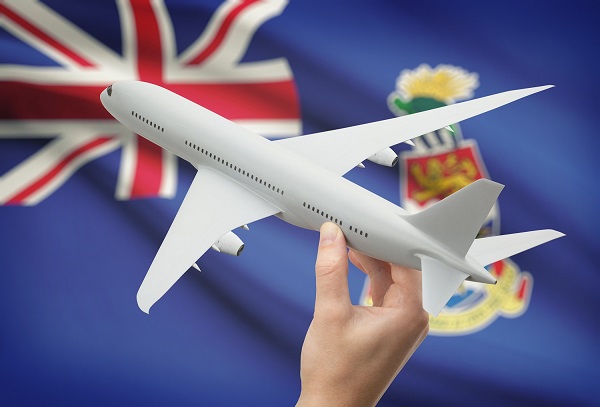
Why Should You Register an Aircraft in the Cayman Islands?
The Cayman Islands, consisting of Grand Cayman, Cayman Brac and Little Cayman, are a British overseas territory located in the western Caribbean Sea.
Cayman is a major world offshore centre and a tax neutral environment, which, in conjunction with the Cayman Register being rated as a “Category 1 Aviation Regulatory Authority” by the US Federal Aviation Administration, makes it an attractive choice for many owners and management companies with corporate aircrafts.
The Cayman Islands, since 1976, has been attracting a number of Aircraft Registrations and presents a viable alternative to the US, and other registration jurisdictions.
The Cayman Islands acts under the purview of the British Civil Aviation Authority.
The process of registration generally takes 2 to 3 weeks to complete.
The Cayman Islands aircraft register is highly respected and recognised throughout the international aviation industry. The majority of the aircraft on the Aircraft Register are private exclusive jets but there is also increasing interest in the Cayman Register to register commercial aircrafts.
The Cayman Register can be used to register an aircraft in the “private” category, and this has been expanded to include all turbo-jet aircraft, all other aircraft above 5,700kg and helicopters that are based on yachts.
Benefits of Cayman Registration
- Tax Neutrality
- Low Profile Registration Mark
- Compromise Jurisdiction where an owner and financier reach an agreement to register in a neutral jurisdiction.
- Efficient Regulation
- Type Certifications – By registering on the Aircraft Register the expense of being the first to register a given type of aircraft elsewhere can potentially be avoided
- The Cayman Islands Civil Aviation Authority are efficient at responding to owners and operators’ queries
Why HSM?
HSM is a law firm in the Cayman Islands that can guide you on how to register an aircraft in the Cayman Islands and is listed as a service provider by the Civil Aviation Authority of the Cayman Islands.
For more details on our aircraft registration services, visit https://staging.hsmoffice.com/law/aircraft-registration.